
Slabjacking suitability, preparation, procedures, and repair limits.
Open official sourceRaise the low slab. Make the next step clear.
A sunken driveway, walkway, patio, pool deck, or garage slab can hold water, leave a sharp edge, and keep getting in the way. Tell us what you see so we can send an accepted request to one qualified provider at a time.
A better first question
Could lifting help this slab?
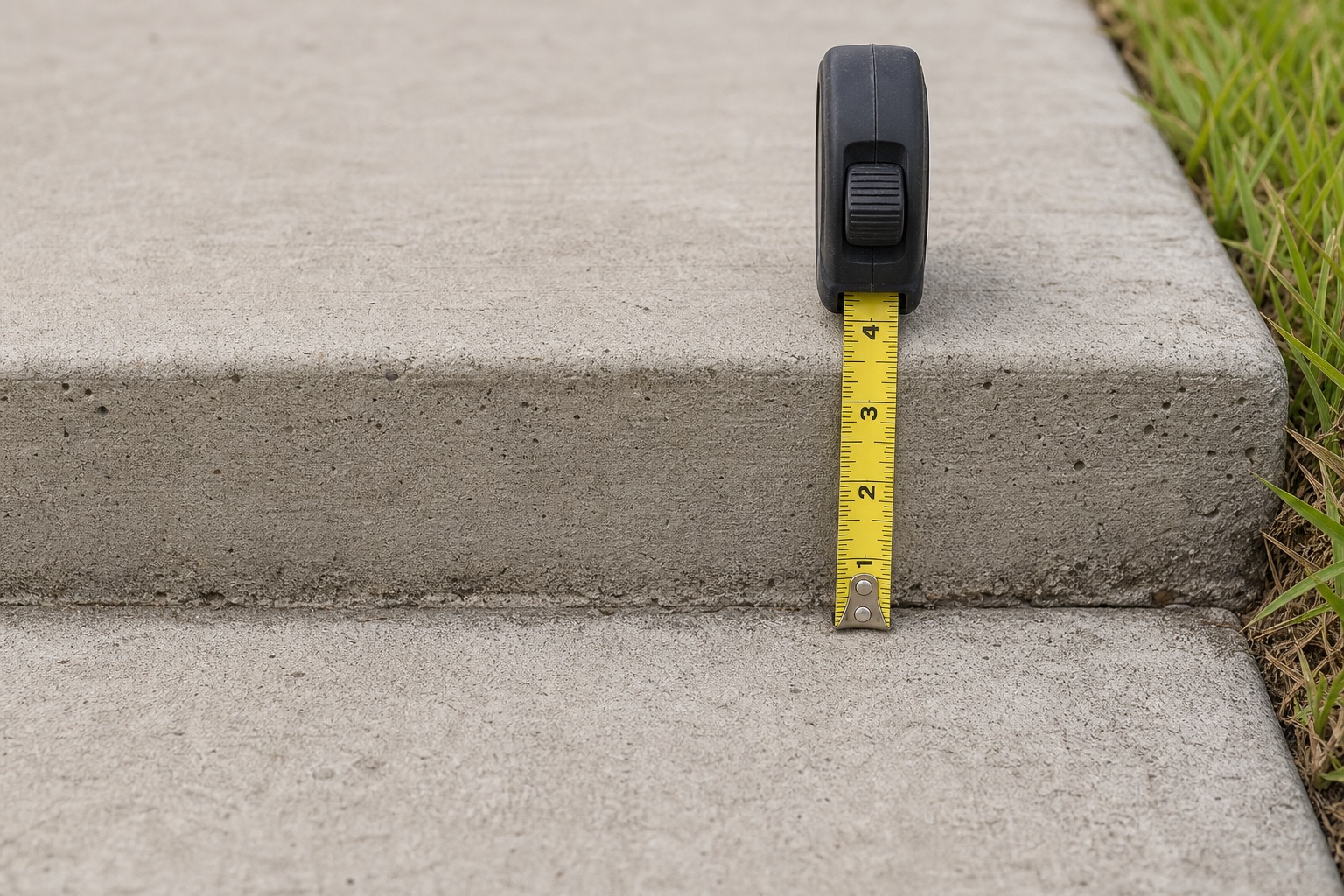
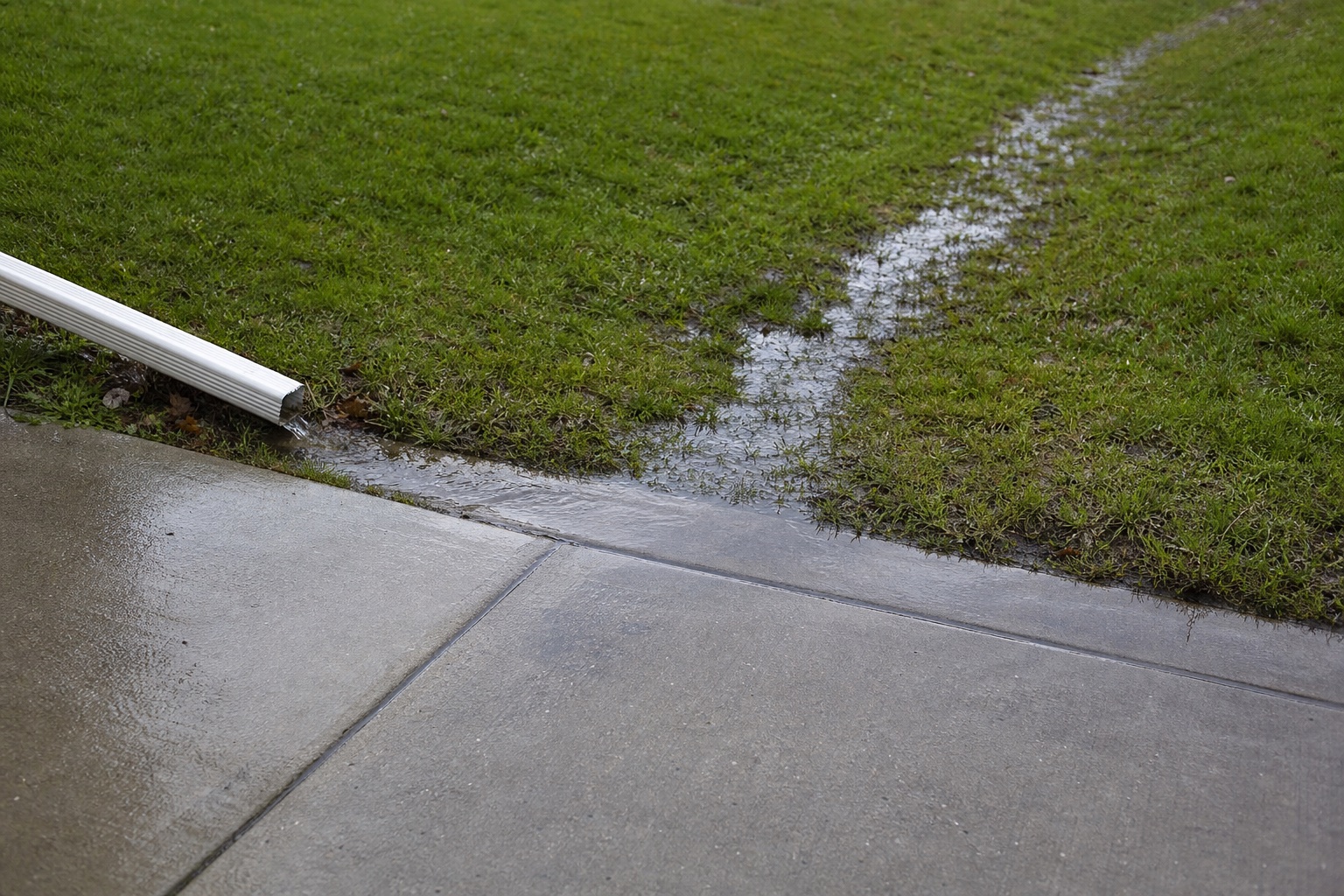
Start with what you can see: a low edge, a gap, a crack, rocking, or water that sits where it should drain. A provider can then check the slab, support, access, and result you want.
- Is this an existing slab rather than a planned new pour?
- Where are the offsets, cracks, gaps, rocking areas, or water paths?
- Is movement connected to a building or another structural concern?
- What should an evaluation clarify before a proposal is compared?
Method names are not diagnoses
Polyjacking and mudjacking are proposal details
Ask what material is proposed, where it would be placed, how lift is monitored, what the scope excludes, and why the method fits this slab.
Compare the questionsEstimate ledger
What shapes a written proposal?
- 01Surface and size
Panels, dimensions, finish, and visible movement.
- 02Condition
Cracks, spalls, rocking, and transitions.
- 03Access
Equipment route, gates, interiors, and site protection.
- 04Support questions
What evidence informs the proposed scope.
- 05Drainage
Observed water paths and unresolved work.
- 06Separate repairs
Joints, cracks, finishes, landscaping, or structures.

Evaluation preparation
Bring useful facts, not a remote diagnosis
Measure approximate dimensions, photograph the overall surface and transitions, record access, and list the outcome you want evaluated. Leave structural, soil, and suitability conclusions to appropriately qualified professionals.
Quick slab checklist
Give the provider a clearer starting point
Write down what you can see and measure. These facts can save questions later, but they do not decide whether lifting is right for the slab.
- Approximate slab length, width, and thickness if known
- Surface material and finish
- Visible offsets, cracks, spalls, rocking, or pooled water
- When the condition was first noticed
- Prior work or treatments if known
- Overall, transition, condition, drainage, and access photos
- Timeline, access constraints, and property authority
Source shelf
Marion County questions need the right source
Technical and local assertions on this page are bounded by these primary sources. Accessed July 30, 2026.
A starting point for property-area soil research, not a repair prescription.
Open official sourceFlorida urban-soil variability, fill, compaction, and drainage context.
Open official sourceOfficial county permit and licensing portal.
Open official sourceOfficial county drainage and stormwater information.
Open official sourceManaged referral
Describe the slab once. We handle the follow-through.
If we accept your completed request, we send it to one qualified provider. We follow up to see whether contact happened. If it did not, we try the next qualified provider, still one at a time.
Request a leveling providerWe are not the contractor. Provider contact, price, schedule, and results are not guaranteed.